About CHITRA-OliveWood

Handcrafted pure olive wood products from Sfax, Tunisia since 2007.

CHITRA-OliveWood offers olive wood products for several destinations in the world. We provide olive wood items made in Tunisia and precisely from Sfax, the city known for its olive trees for a long time.

We have been carrying out this activity since 2007. Our process of finishing and treating olive wood with natural wax without chemicals guarantees the quality and food safety.

Our Products

We provide various items for kitchen utensils, serveware and cooking tools:

PlateButter DishBowlsCutlerySpoonHoney SpoonDishFruit BowlLadleMortar and PestleCutting BoardLemon PressParsley BoardSpatulaSalad bowlCoasterSugar bowlRollerOlive stickCutlery potBottle holderOlive dishes...

Our products are all handcrafted from pure olive wood, refreshingly natural, well known for being hard, durable, food safe and eco-friendly.

We are at your disposal for all your questions.

Best regards
CHITRA-OliveWood

Timeless Craftsmanship

Established 2007

Heritage

The Rich History of the Olive Tree
& Olive Wood in Sfax

Sfax, Tunisia's olive capital, embodies a millennial heritage where the sacred tree has shaped the economy, traditions, and craftsmanship.

Ancient Origins of the Olive Tree in Sfax

The olive tree has been present in Tunisia for over 2,000 years, introduced by the Phoenicians and refined by the Romans, who transformed the Sfax desert into thriving orchards until the 7th century. A symbol of peace and prosperity, it became central to daily life with ritual and culinary uses from antiquity.

The Great Olive Forest of Sfax

In the early 20th century, pioneers like Paul Bourde sparked explosive growth: by 1931, the olive forest spanned 455,000 hectares, making Sfax Tunisia's olive powerhouse. Post-independence (1956), it covers hundreds of thousands of hectares, producing most national olive oil. In 2025-2026, Sfax targets 100,000 tons of oil from a record 515,000-ton olive harvest, despite climate challenges.

Traditional Use of Olive Wood in Sfaxienne Families

In past Sfax households (Ottoman and Beylical eras), olive wood from tree prunings crafted kitchen utensils (spoons, bowls, mortars), farming tools, and decor. Hygienic, durable, and antibacterial, it was heirloomed across generations, odor-resistant for daily use. Women used it for cutting boards and ladles; men carved ritual pieces.

Birth and Evolution of Olive Wood Craftsmanship

Sfaxien craftsmanship emerged in the 19th century as a family trade, with master artisans working dense wood from centenarian trees. From modest workshops, they upcycled trimmings via manual turning and carving, without felling trees—creating unique pieces. This nature-respecting skill has made Sfax a global hub for olive wood craftsmanship.

From Craftsmanship to Global Markets

From the 1990s-2000s, rising demand from European and American consumers—drawn to olive wood's durability and beauty—spurred industrialization in Sfax. Companies like ours (CHITRA since 2002) mechanized drying and finishing while preserving artisanal methods: sustainable pruning, natural wax, advanced logistics exports. By 2026, fueled by e-commerce and eco-trends, Sfax leads globally with hybrid artisan-industrial production meeting international standards. Today, this evolution enables CHITRA Olive Wood to export thousands of pieces yearly, bridging ancient legacy and sustainable future.

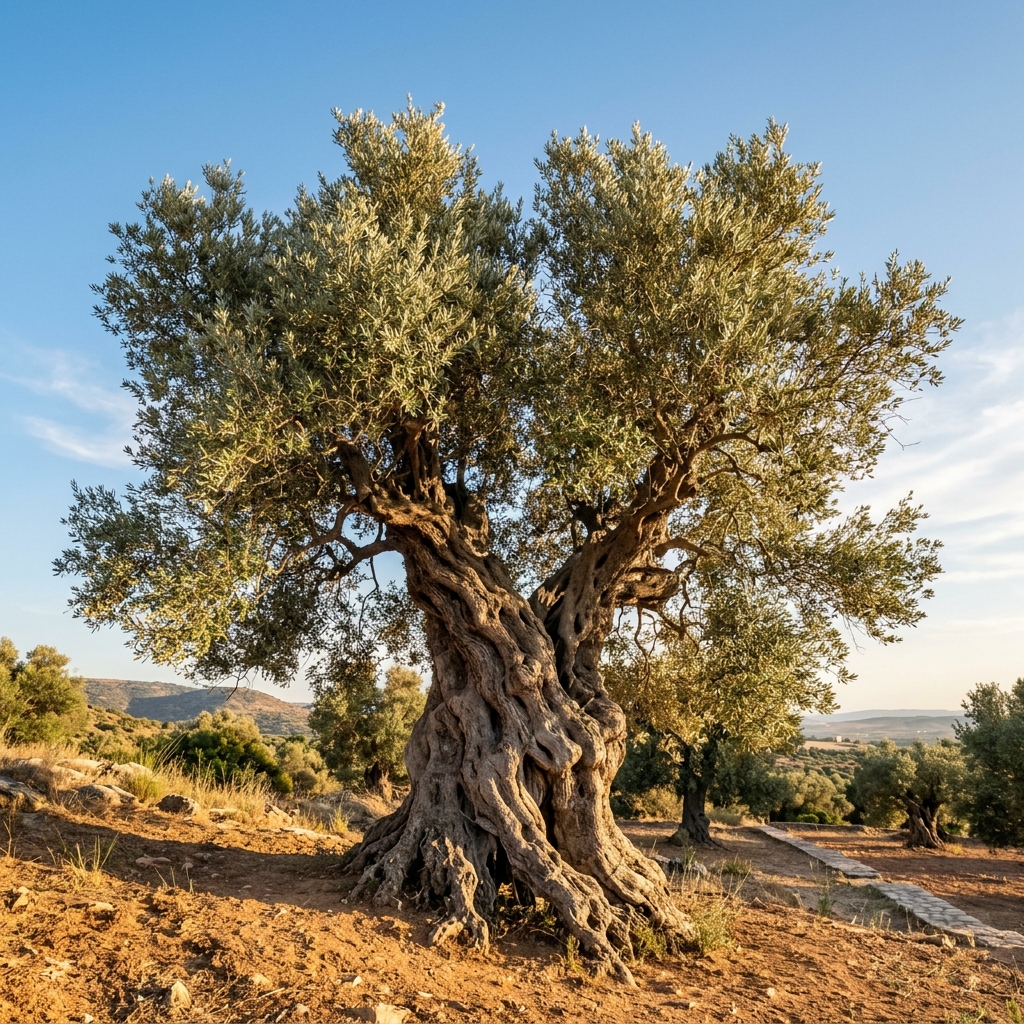
Ancient olive tree in Sfax, Tunisia - wholesale olive wood supplier

2,000+ Years of Heritage

The olive tree has shaped Sfax's identity

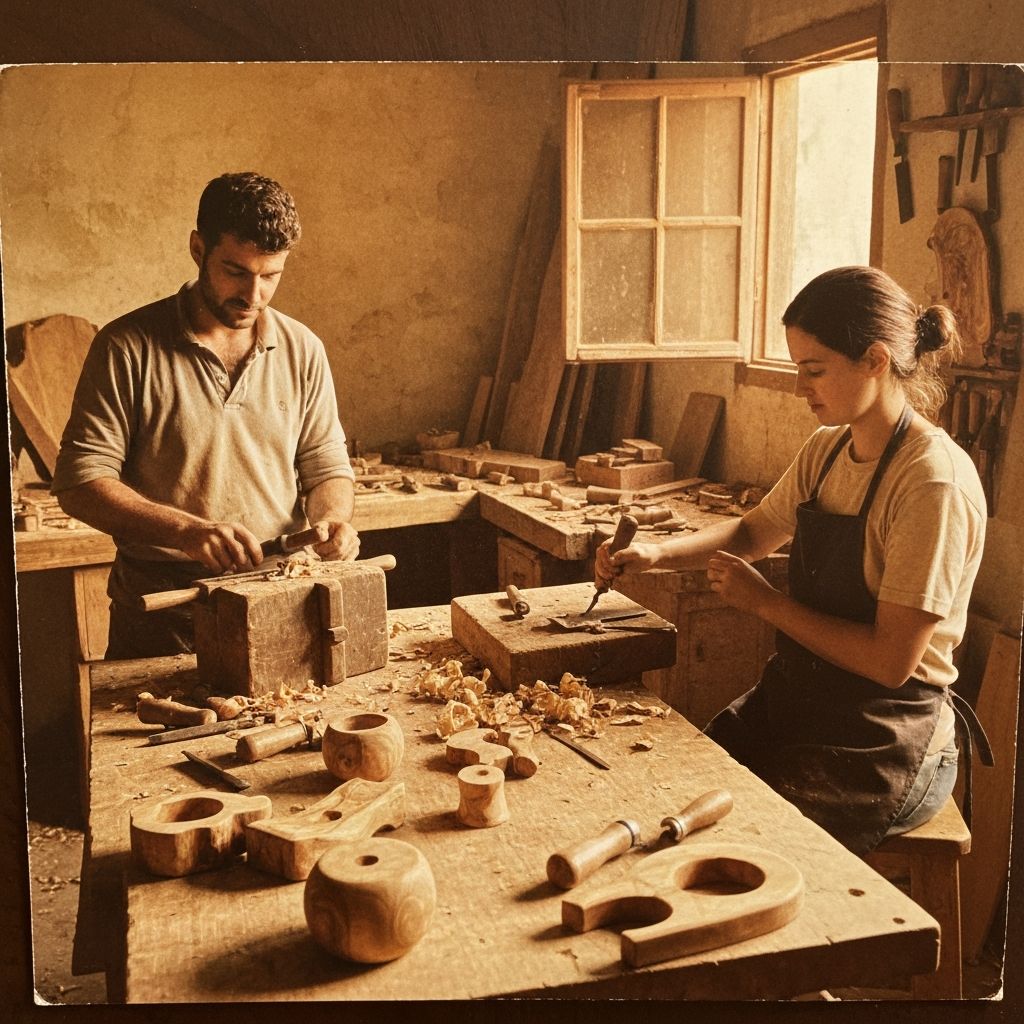
Traditional olive wood workshop in Sfax, Tunisia - handcrafted olive wood crafts

Artisanal Excellence

Handcrafted with ancestral expertise

455K

Hectares of olive groves

515K

Tons olive harvest